

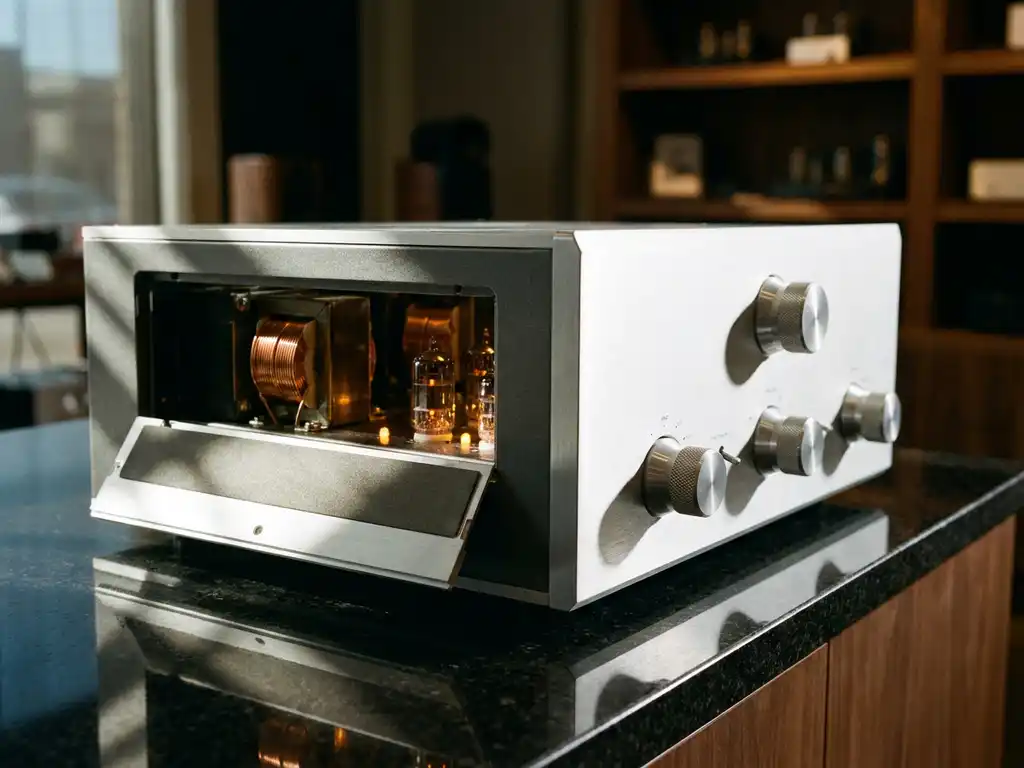
German engineering has long been synonymous with precision, reliability, and uncompromising quality. In the world of high-end audio, this reputation carries particular weight. Audiophiles around the globe consistently turn to German-made components when they want electronics that reproduce music with accuracy, emotional depth, and lasting durability. But what exactly sets German audio manufacturing apart, and why does it continue to earn the trust of serious listeners? These questions are worth answering clearly and honestly.
What makes German engineering different in high-end audio?
German engineering in high-end audio is defined by a culture of technical precision, rigorous quality control, and a deep commitment to measurable performance. German manufacturers typically combine advanced electrical engineering with meticulous component selection, resulting in audio electronics that prioritize accuracy and long-term reliability over short-term commercial compromise.
Several factors distinguish the German approach from mass-market manufacturing:
- Component selectivity: German audio manufacturers are known for sourcing only high-grade components that meet strict tolerances, rather than accepting parts that merely meet minimum specifications.
- Engineering culture: Germany has a long tradition of technical education and applied engineering, which produces designers who approach audio electronics with both scientific rigor and deep practical experience.
- Long development cycles: German hi-fi engineering tends to favor extended research and development phases, ensuring that products are thoroughly tested before reaching the market.
- Attention to signal integrity: Precision audio from Germany frequently reflects an obsession with minimizing noise, distortion, and coloration at every stage of the signal path.
This philosophy produces components that may not always chase the latest trend, but consistently deliver performance that stands up over years of serious listening.
Why do audiophiles trust German-made audio components?
Audiophiles trust German-made audio components because German manufacturers have built a consistent track record of delivering what they promise: accurate, emotionally engaging sound reproduction backed by engineering discipline and transparent quality standards. That trust is earned through decades of performance, not marketing.
The audiophile community is notoriously skeptical. Listeners who invest seriously in their systems do extensive research, read international publications like The Absolute Sound, and rely heavily on peer recommendations. German audio electronics have repeatedly earned recognition in these circles because the products perform under scrutiny. When a component is reviewed critically and still receives praise for its neutrality, dynamics, and build quality, word travels fast among discerning listeners.
There is also a cultural dimension at play. Germany’s industrial reputation, built across sectors from automotive engineering to precision optics, creates a halo of credibility that audiophile consumers recognize and respond to. When a manufacturer can point to a genuine engineering heritage and a transparent production process, it resonates with buyers who value substance over style.
How does the German audio manufacturing process ensure quality?
German audio manufacturing ensures quality through multi-stage testing protocols, careful component matching, and extended burn-in and evaluation periods before any unit leaves the production facility. Rather than relying solely on automated assembly line checks, many German manufacturers incorporate hands-on inspection at critical stages of production.
In practice, this means individual components are often tested over extended periods to identify any instability or performance drift before they are approved for use. Circuit boards are inspected for solder quality, component placement, and signal path integrity. Final assembled units undergo listening evaluations alongside objective measurements, ensuring that technical performance translates into real-world sonic quality.
This level of process discipline is resource-intensive, which is why German-engineered audiophile components are typically positioned at the premium end of the market. The cost reflects the time, skill, and material investment required to manufacture at this standard consistently.
What role does German acoustic heritage play in sound design?
Germany’s acoustic heritage plays a foundational role in shaping how German audio engineers approach sound design. With a cultural history deeply rooted in classical music, orchestral performance, and precision instrument making, German designers bring a reference point for natural, live acoustic sound that directly influences how they tune and evaluate audio electronics.
This heritage matters because it shapes the listening standard against which equipment is judged. German audio engineers are often informed by experience in professional recording environments and live performance venues, not just laboratory measurements. When a designer has spent time in a concert hall or a recording studio, their understanding of what accurate reproduction means becomes far more nuanced than what any specification sheet can capture.
The result is a design philosophy that prizes tonal accuracy and midrange reproduction, the frequency range where the human voice and most instruments live. A component that gets the midrange right tends to feel emotionally engaging, not just technically correct. This is a quality that serious listeners recognize immediately and find difficult to give up once they have experienced it.
How does German high-end audio compare to other manufacturing regions?
German high-end audio is most closely associated with engineering precision and tonal neutrality, distinguishing it from the warm, euphonic character often associated with British hi-fi, the analytical brightness sometimes attributed to certain American designs, and the value-driven performance that defines much of the output from Asian manufacturers.
Each manufacturing tradition has its strengths:
- British hi-fi: Often celebrated for musicality and a warm, engaging presentation, with a long tradition of speaker and amplifier design that prioritizes listening pleasure.
- American high-end audio: Known for powerful, dynamic amplification and a strong culture of innovation, particularly in tube amplification and high-power solid-state designs.
- Asian manufacturing: Increasingly competitive in both budget and premium segments, with strong capabilities in component manufacturing and digital audio technology.
- German audio manufacturing: Distinguished by its engineering discipline, build quality, and commitment to accurate, uncolored reproduction that serves the music rather than flattering it.
None of these traditions is inherently superior. The right choice depends on what a listener values most. However, for audiophiles who prioritize precision, long-term reliability, and fidelity to the original recording, German-engineered components consistently rank among the most trusted options available.
What should audiophiles look for in a German-engineered audio component?
When evaluating a German-engineered audio component, audiophiles should look for transparency about the manufacturing process, evidence of rigorous testing standards, high-grade component selection, and a design philosophy that prioritizes accurate signal reproduction over artificially pleasing coloration.
Specific indicators of genuine quality include:
- Testing documentation: Reputable German manufacturers are willing to describe their quality control processes in detail. Extended individual product testing, rather than batch sampling, is a strong indicator of commitment to consistency.
- Component sourcing: Look for manufacturers who specify the quality of the components they use and explain why particular parts were chosen over alternatives.
- Engineering heritage: A manufacturer with roots in professional audio, recording studio work, or live sound reinforcement brings practical acoustic knowledge that benefits product design.
- Award recognition and critical reception: Recognition from respected international publications provides independent validation of performance claims.
- Price-to-performance transparency: The best German manufacturers aim for an optimized price-value ratio, not just the highest price point. Understanding what you are paying for and why is a reasonable expectation.
It is also worth listening before committing. No specification sheet or review fully captures how a component sounds in your specific system and room. Seek out dealers or distributors who offer demonstration opportunities, and trust your ears alongside your research. You can explore the full range of precision audio components available from serious German manufacturers to get a sense of what reference-grade engineering looks like in practice.
How ACCUSTIC ARTS embodies German high-end audio engineering
We at ACCUSTIC ARTS represent exactly what serious audiophiles seek when they turn to German audio manufacturing. Founded in 1997 following five years of development in collaboration with audio experts and recording professionals, our philosophy of Absolute Sound Fidelity Through Reproduction is not a marketing phrase. It is the engineering standard against which every product we build is measured.
Here is how we deliver on that promise:
- Uncompromising testing: Every individual component undergoes testing that can last up to two weeks before it is approved for dispatch. We do not rely on batch testing to cut time or cost.
- Professional audio roots: Our design experience extends to recording studios and live PA environments, giving us a real-world acoustic reference that informs every product decision.
- Complete signal chain coverage: Our product range includes preamplifiers, CD players, integrated amplifiers, power amplifiers, monoblock amplifiers, D/A converters, and tube hybrid components, so you can build a fully coherent, German-engineered system.
- Award-winning performance: Our components have received recognition from leading international publications, including The Absolute Sound, providing independent validation of what we build.
- Optimized price-value ratio: We pursue no-holds-barred quality while remaining committed to delivering genuine value at every price point in our range.
If you are ready to experience what German hi-fi engineering sounds like at its best, we invite you to get in touch with us and find out how ACCUSTIC ARTS can become the foundation of your listening experience.
—
Disclaimer: This article was created with the assistance of Artificial Intelligence and has been reviewed by our editorial team.