

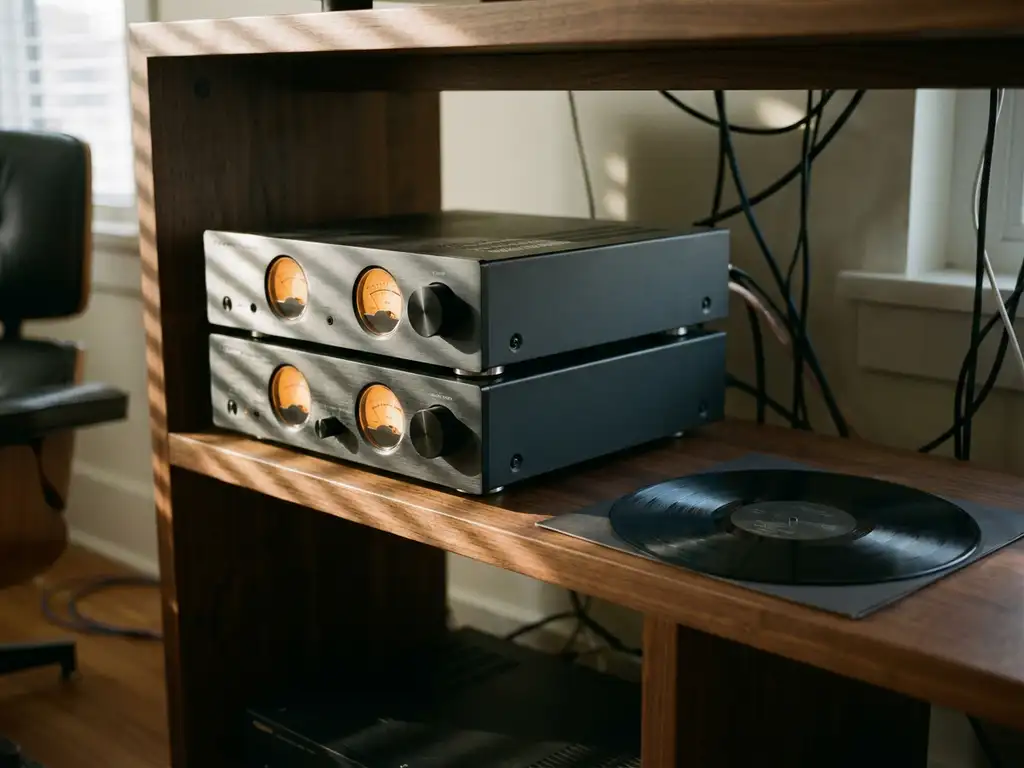
Choosing between an all-in-one audio system and a separates setup is one of the most fundamental decisions any music lover faces when building a listening space. Both approaches can deliver genuinely rewarding sound, but they serve different priorities, budgets, and long-term ambitions. Understanding how they differ at a technical and practical level makes it far easier to invest with confidence rather than regret.
The distinction goes deeper than simply counting boxes on a shelf. It touches on how audio signals are processed, what kind of sound character each approach tends to produce, and how much control a listener wants over their system over time. Whether someone is stepping into high-end audio for the first time or reconsidering an existing setup, this comparison offers a clear framework for making the right call.
How each approach handles your audio signal chain
Every audio system, regardless of its form, performs the same core functions: it takes a source signal, processes and amplifies it, and sends it to speakers. The fundamental difference between an all-in-one audio system and a separates setup lies in where those functions happen and how independently they operate.
An integrated audio system combines multiple stages into a single chassis. A typical all-in-one unit might include a streaming module, a digital-to-analog converter, a preamplifier stage, and a power amplifier, all sharing the same power supply and circuit board. This tight integration keeps things compact and convenient, but it also means that every component is subject to the same internal environment, including the electrical noise and heat generated by its neighbours.
A hi-fi separates system takes a different approach by assigning each function to a dedicated unit. A standalone preamplifier handles volume control and source selection. A separate power amplifier drives the speakers. A dedicated DAC converts digital files with precision. Each unit has its own power supply, its own shielding, and its own optimized internal layout. This separation reduces interference between stages and allows each component to be engineered without compromise.
Sound quality: where all-in-ones and separates diverge
For many listeners, sound quality is the deciding factor, and this is where the two approaches show their most meaningful differences. A well-designed all-in-one can sound remarkably good, particularly at moderate price points where engineering has advanced significantly in recent years. However, as budget and expectations rise, the inherent limitations of shared architecture begin to surface.
When a preamplifier and power amplifier share a chassis, the high-current demands of the amplification stage can introduce noise into the sensitive low-level circuits of the preamp. Dedicated separates eliminate this problem by design. The preamplifier operates in a clean electrical environment, and the power amplifier can be built with a transformer and power supply sized specifically for the task of driving loudspeakers. The result is typically a wider soundstage, more precise imaging, and a more natural midrange that conveys the texture and emotion of a performance rather than just its outline.
That said, not every separates system outperforms every all-in-one. The quality of individual components matters enormously. A thoughtfully engineered integrated amplifier from a serious manufacturer can outperform a poorly matched collection of budget separates. The key insight is that separates create the potential for higher performance, but that potential is only realized through careful component selection.
Flexibility, upgradability, and long-term value
One of the most compelling arguments for a separates setup is the freedom it offers over time. An audiophile setup built from individual components can evolve gradually, one piece at a time, without requiring a wholesale replacement of the entire system.
Consider a listener who starts with a strong preamplifier and a capable power amplifier. As their tastes develop or their budget allows, they can upgrade the source component, swap in a better DAC, or move to monoblock amplifiers for even greater channel separation, all without touching the rest of the chain. This modularity means that investment in quality separates tends to hold its value well, since individual components can be repositioned, sold, or upgraded independently.
An all-in-one system, by contrast, is typically upgraded as a whole. When one function becomes the weak link, the only remedy is usually replacing the entire unit. For listeners who value simplicity and are happy with a fixed level of performance, this is a perfectly reasonable trade-off. For those who see their system as something that grows with them, separates offer a more sustainable long-term path. Exploring the range of available audio components from a specialist manufacturer gives a clear sense of how modular systems can be assembled and expanded over time.
Which setup suits different listening priorities
Neither approach is universally superior. The right choice depends on what a listener values most and how they plan to use their system.
An all-in-one audio system tends to suit listeners who prioritize simplicity, a clean aesthetic, and ease of setup. It works well in secondary rooms, smaller spaces, or for those who want excellent sound without the complexity of managing multiple components and interconnects. Modern integrated systems have also become genuinely capable, making them a legitimate choice even for serious music lovers who simply prefer a streamlined approach.
A separates setup speaks most directly to the listener who wants the highest possible performance from their system and is willing to invest the time in understanding how components interact. It suits dedicated listening rooms where the system is the focal point, and where the process of refining the chain over time is part of the enjoyment. For the committed audiophile, there is genuine pleasure in matching a high-quality preamplifier to the right power amplifier and hearing what that combination unlocks in a familiar recording.
- All-in-one systems are ideal for those who value convenience, simplicity, and a compact footprint without sacrificing good sound.
- Separates setups suit listeners who prioritize maximum performance, long-term flexibility, and the ability to upgrade individual components independently.
- Budget plays a role, but so does intent: a modest separates system built around quality fundamentals will often serve a growing audiophile better than a premium all-in-one at the same price.
- Room and lifestyle matter too: a dedicated listening room rewards the separates approach, while a living room setup may benefit from the tidiness of integration.
Ultimately, the best system is the one that consistently draws a listener back to their music and allows them to hear it the way it was intended to be heard.
How Accustic Arts supports your journey into high-end audio
Whether a listener is drawn to the elegance of a carefully matched separates system or exploring what a truly high-grade integrated solution can offer, we at Accustic Arts have built our entire product philosophy around this question. Our range is designed to give every listener a genuine path to reference-level sound, informed by decades of experience in recording studios and live sound environments.
- Dedicated separates including preamplifiers, power amplifiers, and monoblock amplifiers, each engineered independently for maximum performance and minimal interference between stages.
- High-precision DACs and CD players that serve as the foundation of a transparent signal chain, preserving every detail from the source.
- Tube hybrid components that bring warmth and emotional engagement without sacrificing accuracy or resolution.
- Rigorous quality standards: every component undergoes individual testing for up to two weeks before leaving our facility in Lauffen am Neckar, ensuring that what arrives in a listening room is exactly what it should be.
If you are ready to explore what the right components can do for your listening experience, browse our full product range to find the pieces that match your priorities, or get in touch with us directly to discuss which setup would suit your system and your music.
Ähnliche Artikel
- How does a phono stage affect the sound of a turntable?
- What Is the Best Way to Play Digital Music in a High-End System?
- How does component quality inside an amplifier affect its lifespan and sound?
- Wie wählt man zwischen einem Mono- und einem Stereo-Endverstärker?
- Welche Rolle spielt die Erdung in einer High-End-Audioanlage?