

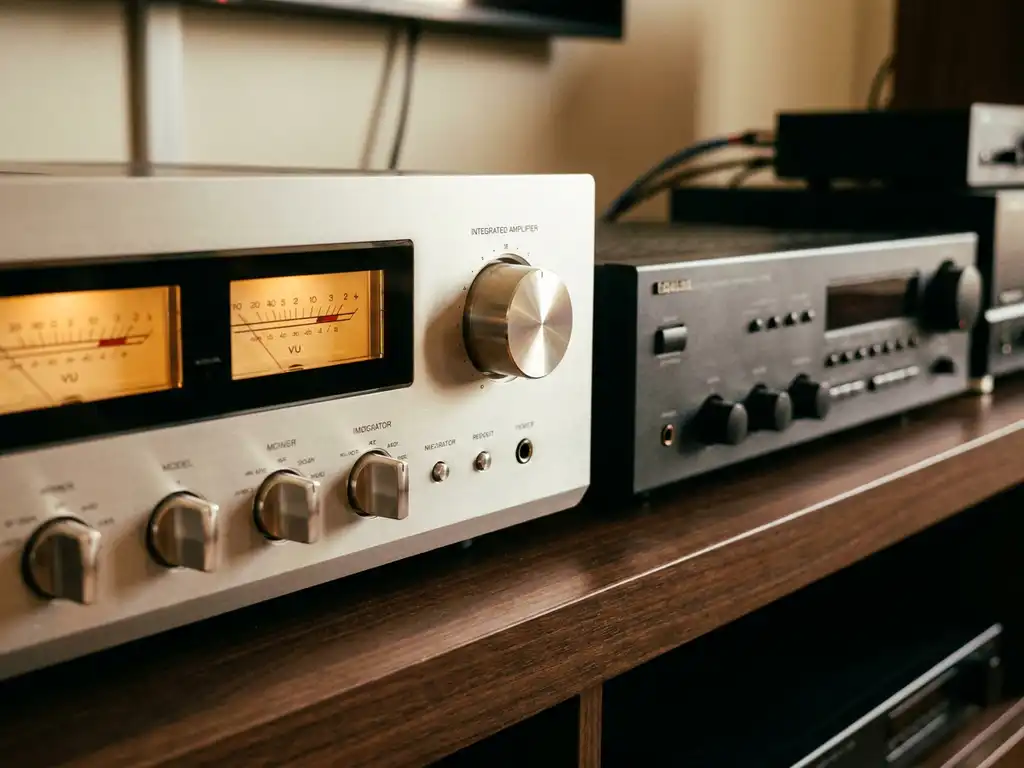
For anyone stepping into the world of serious audio, one of the first questions that comes up is where the line falls between mid-fi and high-end audio. The terminology gets thrown around constantly in forums, reviews, and conversations between enthusiasts, but the distinction is more than just a price tag. Understanding what separates these two tiers helps you make smarter decisions about where to invest your money and what kind of listening experience you can realistically expect.
What is the difference between high-end and mid-fi audio?
The core difference between high-end and mid-fi audio components lies in the depth of engineering, the quality of materials, and the degree to which a component is optimized for accurate, emotionally engaging sound reproduction. Mid-fi delivers solid, enjoyable performance for everyday listening. High-end audio pursues the absolute limits of what is technically and sonically possible.
Mid-fi components, which typically include well-regarded consumer brands in the mid-price range, are designed to offer a strong balance of performance and affordability. They use competent engineering, decent components, and established circuit topologies. For the average listener, they sound excellent. But they involve compromises, whether in power supply design, component tolerances, chassis isolation, or the depth of quality control applied to each unit.
High-end audio components, by contrast, are built around the philosophy that every design decision matters. The power supply, the signal path, the choice of capacitors and resistors, the mechanical isolation from vibration, and the listening tests conducted during development all receive the same level of attention. The result is a component that does not merely play music but allows the listener to connect with it on a deeper level.
What makes an audio component truly high-end?
A truly high-end audio component is defined by its uncompromising approach to design, materials, and quality assurance. It is not simply expensive. It is the product of deliberate engineering choices made at every stage, from circuit topology and component selection to chassis construction and final testing, all aimed at maximizing sonic accuracy and musical engagement.
Several characteristics consistently separate genuine high-end electronics from components that only carry a high price:
- Precision component selection: High-end manufacturers hand-select or match critical components such as resistors, capacitors, and transistors to tighter tolerances than standard production allows.
- Overbuilt power supplies: A robust, low-noise power supply is the foundation of any high-end component. It provides the stable, clean energy that allows the audio circuitry to perform without interference.
- Mechanical integrity: Chassis design, vibration damping, and the physical separation of sensitive circuits from noise sources are taken seriously at the high-end level.
- Extended quality testing: Where a mid-fi product might go through automated factory testing, a high-end component often undergoes extended listening and measurement sessions before it leaves the facility.
- Real-world development context: The best high-end designs are informed by experience in professional recording and live sound environments, where the reference is always the original musical event.
How does build quality differ between high-end and mid-fi?
Build quality in high-end audio is fundamentally different from mid-fi in both materials and intent. High-end components use premium-grade parts throughout, apply tighter assembly tolerances, and are often tested individually over extended periods. Mid-fi components use competent but cost-managed materials and rely on batch quality control rather than unit-by-unit evaluation.
Pick up a high-end preamplifier and the difference is often immediately physical. The chassis is heavier, the knobs turn with precise resistance, and the internal layout, if you ever see it, reflects a deliberate effort to minimize interference between circuit sections. These are not aesthetic choices. They are functional ones.
The internal components tell the same story. High-end manufacturers often specify custom-wound transformers, film capacitors selected for low distortion, and circuit boards laid out to minimize the length of critical signal paths. Every part is chosen because it performs best in that specific role, not because it hits a cost target.
Mid-fi components are not poorly built. Many are impressively engineered for their price. But they are designed within financial constraints that require compromises, and those compromises accumulate across a signal chain. When you invest in high-end audio electronics, you are paying for the absence of those compromises.
Can you actually hear the difference between high-end and mid-fi?
Yes, the difference between high-end and mid-fi audio is audible, but what you hear depends on your system, your music, and your listening experience. The gap is most apparent in complex musical passages, in the reproduction of subtle spatial cues, and in the naturalness of timbres. Listeners consistently describe high-end systems as more effortless, more three-dimensional, and more emotionally involving.
The distinction is not always about loudness or obvious clarity. It tends to show itself in subtler ways. A high-end amplifier will separate the instruments in a dense orchestral recording more convincingly. A high-end D/A converter will render the decay of a piano note with more natural texture. A high-end preamplifier will allow the midrange, where most of the emotional content of music lives, to breathe and communicate in a way that mid-fi components often flatten.
This is not purely subjective. Lower noise floors, reduced distortion, better channel separation, and more linear frequency response all translate into audible improvements that trained and untrained listeners alike can perceive under the right conditions. The emotional engagement that audiophiles describe is grounded in real technical performance.
When should you invest in high-end audio components?
You should invest in high-end audio components when you have reached the ceiling of what your current system can offer and are consistently aware of what it is not giving you. If you find yourself listening critically and sensing that something is missing, whether in the openness of the soundstage, the texture of voices, or the weight of bass, you are ready for the step up.
There are a few practical considerations that should guide the timing of that investment:
- Your source material matters: High-end components reveal everything that is in the recording. If you are listening primarily to compressed streaming at low quality settings, upgrading your electronics before your source will limit your returns.
- Your speakers are the foundation: A high-end amplifier driving mediocre speakers will still be constrained by the speakers. The best approach is to build a balanced system rather than over-investing in one component.
- Your listening environment: Room acoustics affect what you hear as much as the components themselves. Treating your room alongside upgrading your electronics delivers the most complete improvement.
- Your listening habits: If music is a central part of your life and your listening sessions are intentional and attentive, high-end audio pays dividends every time you sit down. If audio is background entertainment, mid-fi may serve you perfectly well.
The right moment is when the investment aligns with how seriously you take the listening experience. For those who regard their audio system as a long-term relationship with music rather than a consumer purchase, high-end components are not an indulgence. They are the logical conclusion.
How ACCUSTIC ARTS Elevates Your High-End Audio Experience
At ACCUSTIC ARTS, we build every component with a single guiding principle: Absolute Sound Fidelity Through Reproduction. Our products are designed to close the gap between the original musical performance and what you hear in your listening room, and we do not accept compromises in how we get there.
Here is what sets us apart in the world of high-end audio electronics:
- Two-week individual product testing: Every component we produce undergoes up to two weeks of testing before it leaves our facility. We do not release a product until it meets our standards, not a batch average.
- Professional audio heritage: Our engineering is informed by decades of experience in recording studios and live sound environments, where the reference is always the real thing.
- Complete high-end signal chains: From preamplifiers and CD players to D/A converters, monoblock amplifiers, and tube hybrid components, we offer everything needed to build a reference-level system.
- Emotionally engaging midrange reproduction: Our signature strength, recognized by audiophiles and professionals globally, is a midrange that communicates the emotional truth of music without coloration or artificiality.
- German precision manufacturing: Built in Lauffen am Neckar, Germany, our products reflect the engineering discipline and craftsmanship that the country’s manufacturing tradition is known for.
If you are ready to experience what high-end audio truly sounds like, we invite you to get in touch with us and find out which ACCUSTIC ARTS components are the right fit for your system and your music.
—
Disclaimer: This article was created with the assistance of Artificial Intelligence and has been reviewed by our editorial team.