

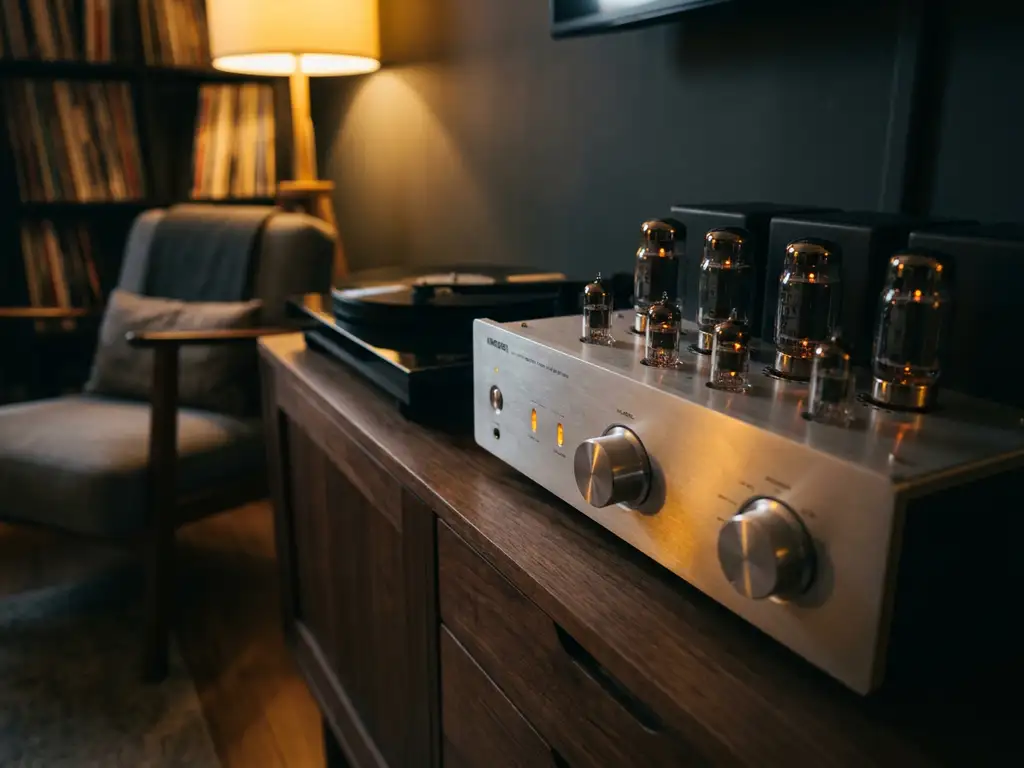
Sound is more than just notes and rhythms. It is texture, contrast, silence, and sudden power. One of the most important yet often overlooked qualities in audio reproduction is dynamic range — the invisible architecture that separates a flat, lifeless recording from one that genuinely moves you. Whether you are new to high-end audio or a seasoned audiophile refining your setup, understanding dynamic range helps you make better decisions about the music you listen to and the equipment you choose.
What is dynamic range in audio?
Dynamic range in audio is the difference between the quietest and loudest sounds a system can reproduce or a recording can contain. It is measured in decibels (dB), and a wider dynamic range means a system can handle both delicate whispers and powerful crescendos without distortion or loss of detail. In practical terms, dynamic range is what makes music feel alive.
Every piece of music contains moments of softness and intensity. A pianist playing a gentle phrase before a thunderous chord, a string quartet building from a murmur to a full-bodied swell — these contrasts are only meaningful if the audio system can faithfully reproduce both extremes. When dynamic range is preserved, you hear the full emotional arc of a performance. When it is compressed or limited, music loses its sense of drama and depth.
Dynamic range applies to two distinct contexts: the recordings themselves and the equipment used to play them back. Both matter enormously, and understanding each one separately helps clarify why some listening experiences feel so much more compelling than others.
Why does dynamic range matter for sound quality?
Dynamic range matters for sound quality because it determines how faithfully music reflects a real performance. Without sufficient dynamic range, recordings sound flat, fatiguing, and emotionally unconvincing. With it, music breathes naturally, and listeners can hear the subtle gradations of tone and volume that make a performance feel genuine rather than processed.
The human ear is extraordinarily sensitive to contrast. We perceive loudness not just in absolute terms but relative to what came before. A passage that follows a moment of near-silence feels dramatically more powerful than the same passage played at the same volume after a loud section. This is the psychology of dynamics at work, and it is why recordings with wide dynamic range consistently feel more engaging and less tiring over long listening sessions.
Sound fidelity is not just about frequency response or low noise floors. It is about the ability to convey musical intent, and dynamic contrast is one of the most powerful tools a musician has. Preserving that contrast from the recording studio to your listening room is what separates truly high-quality audio reproduction from merely adequate playback.
How does dynamic range affect the listening experience?
Dynamic range directly shapes the emotional impact of music. A wide dynamic range allows listeners to experience the full expressive range of a performance, from the softest pianissimo to the most powerful fortissimo, creating a sense of presence, realism, and emotional connection. Narrow dynamic range makes music feel compressed, uniform, and less involving.
Consider the difference between hearing a live orchestra in a concert hall and listening to the same piece through a low-quality streaming service on a portable speaker. The live performance surrounds you with contrast and energy. The streaming version might be recognizable, but it lacks the sense of scale and drama that makes orchestral music so powerful. That difference is largely a function of dynamic range.
For audiophiles, this is why the listening experience is so closely tied to the quality of both the source material and the playback system. Music that is reproduced with full dynamic integrity invites you to lean in, to notice details, to feel the emotional weight of a phrase. It transforms listening from a passive activity into something genuinely immersive.
What’s the difference between dynamic range in recordings and in audio equipment?
Dynamic range in recordings refers to the contrast captured during the production process, while dynamic range in audio equipment refers to the range a device can accurately reproduce without distortion or noise. A recording can have excellent dynamic range but still sound poor if the equipment playing it back cannot handle that range faithfully, and vice versa.
Dynamic range in recordings
When a recording is made, engineers capture the full range of a performance. High-resolution formats such as 24-bit audio can theoretically encode an enormous dynamic range, preserving the subtlest details alongside the loudest moments. However, during mastering, recordings are often processed to reduce that range for commercial reasons, a practice that has become increasingly controversial among audiophiles and music producers alike.
Dynamic range in audio equipment
On the equipment side, dynamic range is determined by the noise floor at the bottom end and the maximum output level at the top. A high-end DAC, preamplifier, or power amplifier with a wide dynamic range can handle the full spectrum of a well-recorded piece without adding noise, clipping, or distortion. This is why component quality matters so deeply in a high-end audio system. Even a perfectly mastered recording will be compromised by equipment that cannot keep up with its demands.
The best listening experiences happen when both sides align: a recording with genuine dynamic integrity played through equipment capable of honoring it fully. You can explore high-end audio components designed with this alignment in mind to understand what is possible when both elements work together.
How does dynamic compression reduce audio quality?
Dynamic compression reduces audio quality by narrowing the gap between the quietest and loudest parts of a recording, making everything sound more uniform in volume. While compression has legitimate uses in broadcasting and live sound, excessive compression in music mastering removes the natural contrasts that give music its emotional power, resulting in a louder but ultimately less engaging sound.
The so-called „loudness war“ — a decades-long trend in commercial music production — pushed engineers to compress recordings heavily so they would sound louder on radio and streaming platforms. The result was music that competed aggressively for attention but sacrificed the dynamics that make listening pleasurable over time. Heavily compressed tracks often feel tiring after a short period because the ear has no moments of relief, no contrast to make the loud passages feel meaningful.
For audiophiles seeking authentic sound fidelity, this is a genuine concern. Seeking out recordings that prioritize dynamic integrity, whether through audiophile labels, high-resolution download platforms, or well-mastered vinyl pressings, makes a meaningful difference to the quality of the listening experience.
What audio equipment best preserves dynamic range?
Audio equipment that best preserves dynamic range is characterized by a very low noise floor, high headroom, minimal distortion, and precision engineering throughout the signal chain. This typically includes high-quality DACs, preamplifiers, and power amplifiers built with reference-grade components and rigorous quality control. Every link in the chain matters, from the source to the speaker.
Key qualities to look for in dynamic range audio equipment include:
- Low noise floor: The quieter the background, the more subtle detail you can hear between loud passages.
- High headroom: Equipment that handles sudden peaks without clipping preserves the impact of dynamic contrasts.
- Precision components: Resistors, capacitors, and circuit layouts that minimize coloration allow the music to pass through unaltered.
- Careful power supply design: A stable, well-regulated power supply prevents noise from entering the signal path during demanding passages.
- Thoughtful signal path architecture: Shorter, cleaner signal paths reduce opportunities for degradation.
Tube hybrid designs can also offer a particularly compelling approach to dynamic reproduction, combining the warmth and natural decay of tube amplification with the precision and control of solid-state circuitry. The result is a sound that feels both detailed and emotionally engaging, which is exactly what dynamic range music demands.
How Accustic Arts preserves dynamic range in every component
At Accustic Arts, preserving the full dynamic range of music is not an afterthought — it is central to everything we design and build. Our philosophy, Absolute Sound Fidelity Through Reproduction, means that every component we create is engineered to let music pass through as faithfully as possible, with nothing added and nothing lost.
Here is how we approach dynamic range in our products:
- Reference-grade components throughout: We use only precise, high-grade parts selected for their ability to minimize noise and coloration across the full signal path.
- Rigorous testing before dispatch: Every component undergoes individual testing that can last up to two weeks, ensuring it performs flawlessly under real-world conditions, including demanding dynamic passages.
- Experience from professional environments: Our design philosophy is informed by work in recording studios and live venues, where dynamic integrity is non-negotiable.
- Tube hybrid engineering: Our tube hybrid components combine the natural dynamic expression of tube amplification with solid-state precision, delivering an emotionally engaging midrange that our listeners consistently describe as the closest thing to a live performance.
- Audiophile recordings label: Through Accustic Arts Audiophile Recordings, we also produce source material that respects the dynamic range our equipment is built to reproduce.
If you are ready to hear what music sounds like when dynamic range is fully preserved, we invite you to explore our full range of high-end audio components or get in touch with us directly to find the right system for your listening room. The difference is something you will feel from the very first note.
—
Disclaimer: This article was created with the assistance of Artificial Intelligence and has been reviewed by our editorial team.
Ähnliche Artikel
- What is the difference between moving coil and moving magnet cartridges?
- What's actually inside a high-end amplifier?
- Why is German engineering trusted in high-end audio manufacturing?
- Was ist der Sweetspot im Hörraum und wie findet man ihn?
- Was ist der hörbare Unterschied zwischen 16-Bit- und 24-Bit-Audio?